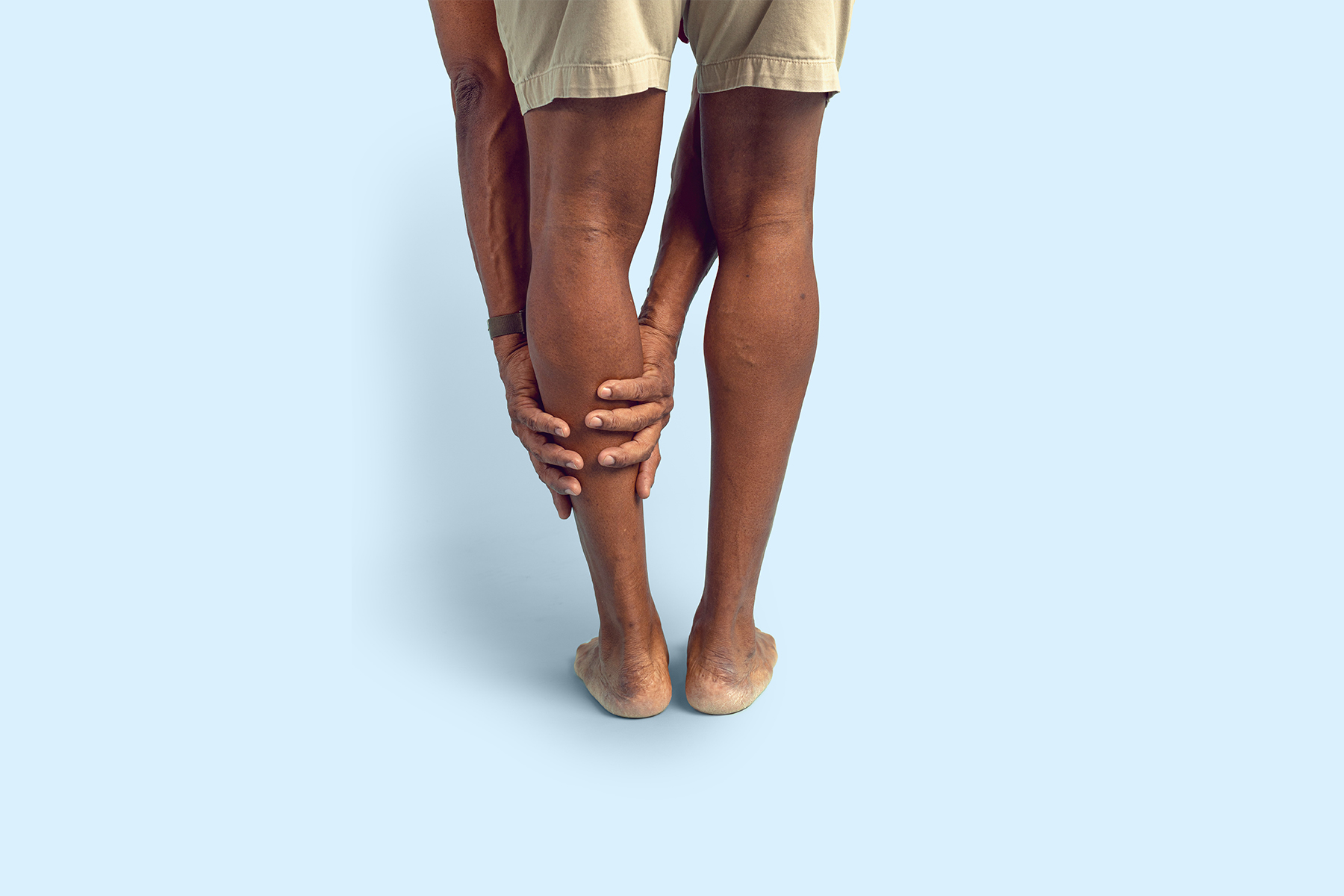
What Are the Signs of a Blood Clot in Your Leg?
The most common signs of a blood clot in the lower extremities include sudden pain or tenderness, localized swelling, warmth, and redness or skin discoloration.
While these symptoms can affect both sides of the body, asymmetry is the key indicator of a deep vein thrombosis (DVT), a blood clot in a deep vein that usually affects one leg at a time rather than both.
Recognizing the early indicators of blood clots is critical, as DVT can develop silently. In fact, according to the Centers for Disease Control and Prevention, roughly 50% of all DVT cases present with no symptoms at all.
Key Takeaways
- Recognize the signs early. Stay vigilant for the core symptom combination of sudden pain, localized swelling, warmth, and skin redness.
- Keep in mind that DVT usually affects only one leg, and unlike a typical muscle cramp, the pain and swelling tend to persist or worsen rather than go away on their own. Only an ultrasound can confirm or rule out a clot.
- Never delay seeking emergency care if leg discomfort is accompanied by warning signs like sudden shortness of breath, chest pain, or a rapid heartbeat.
- Prioritize proactive vein care. If you have underlying signs of vein disease, such as varicose veins, include regular check-ups with a vein specialist in your overall wellness care plan.
What Does a Blood Clot Feel Like?
Physical signs of a blood clot can be subtle, but include:
- A persistent leg cramp or Charley horse: Unlike a typical leg cramp that goes away quickly, pain from a blood clot can feel like a persistent, deep ache, tightness, or severe muscle cramp that doesn't go away.
- Heaviness and throbbing: You may notice a heavy, tight sensation or dull throbbing in the affected calf, thigh, or ankle that typically worsens when walking or flexing the foot.
- Symptoms that do not improve with rest: Unlike a common muscle strain or general soreness, pain and swelling from a blood clot or DVT usually do not go away on their own. Only an ultrasound can confirm or rule out DVT. If your symptoms persist or worsen despite resting, it is a major red flag that requires immediate medical evaluation.
It’s important to keep in mind, however, that many people experiencing DVT have mild symptoms or none at all.

What Are Blood Clots?
Blood clots, also known as venous clots or venous thromboembolism, are clumps of blood that form when blood thickens from a liquid to a semi-solid state. While clotting is necessary to stop bleeding, it can become problematic when clots form inside veins and obstruct blood flow. In the lower extremities, these clots typically develop in the deep veins of the legs, feet, and ankles.
Common Locations and Presentation of Blood Clots in the Ankles, Feet, and Calves
Blood clots often form in the deep veins of the legs and feet because blood flows more slowly there. The graphic below shows visual and physical warning signs of a blood clot in commonly affected areas.

Blood Clot in the Foot
Blood clots in the foot are characterized by localized tenderness, swelling, and noticeable skin discoloration across the top or sole of the foot.
Blood Clot in the Ankle
Blood clots in the ankle can be identified by rapid, one-sided fluid buildup accompanied by aching pain, warmth, and skin redness around the ankle joint.
Blood Clot in the Calf
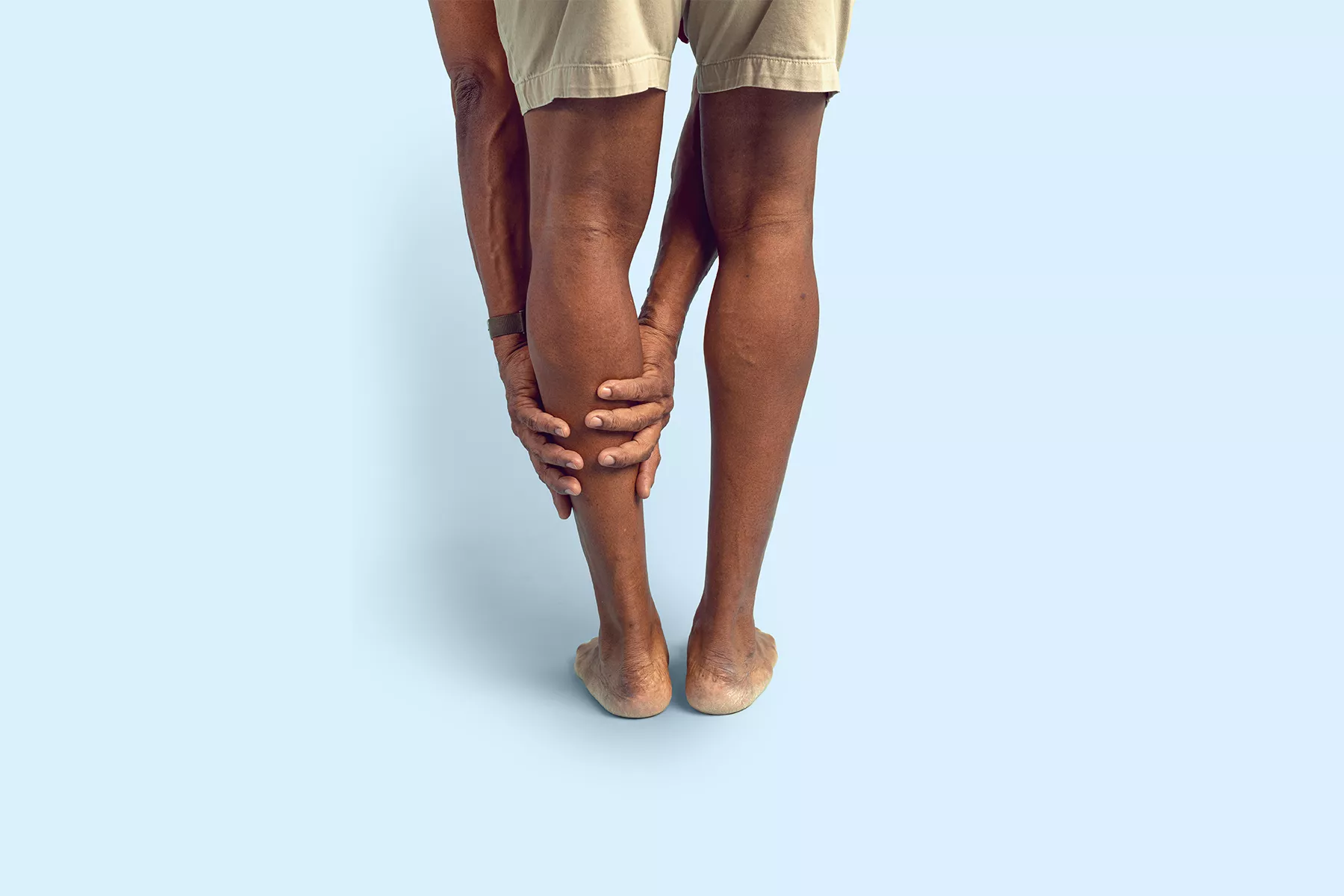
A blood clot in the calf can be a persistent, deep muscle cramp or heaviness accompanied by marked swelling, warmth, and visible skin redness or discoloration.
How to Check for a Blood Clot in Your Legs
You can't diagnose a blood clot at home, but these checks can help you decide when to see a doctor:
- Compare both legs for swelling on one side only.
- Look for redness or darker skin.
- Feel for warmth compared with the other leg.
- Notice pain when standing or walking.
If you’re concerned you may have a blood clot, it’s important to get an ultrasound evaluation.

What Causes Blood Clots?
Blood clots form when blood changes from a liquid to a semi-solid state, most often in the deep veins of the leg. Doctors point to three main contributors, known as Virchow's triad:
- Slowed blood flow (from long periods of sitting, bed rest, or travel)
- Damage to a vein wall (from surgery, injury, or inflammation)
- Blood that clots more easily than normal (from pregnancy, estrogen-based medications, cancer, or inherited clotting disorders)
Most people who develop DVT have more than one of these factors at once.
Risk Factors for Blood Clots
Blood clots can happen to anyone at any age, even professional athletes. Some common risks include:
- A history of cancer
- Recent surgery
- Smoking
- Pregnancy
- Birth control that contains estrogen
- Estrogen-based hormone replacement therapy
- Injury/trauma, particularly when the vein is injured
- Long periods of sitting or immobility
- Being overweight
- A family history of blood clots
- Being over age 60
- Varicose veins
How Are Blood Clots Diagnosed?
Blood clots are diagnosed by vein doctors using several available techniques:
- Duplex Ultrasonography: Uses sound waves to visualize blood flow and detect blood clots.
- Doppler Studies: Measures blood flow in arteries and veins.
- D-dimer Blood Test: Tests for a substance in the blood associated with a blood clot.
- Contrast Venography: An X-ray with contrast (and dye injection) that makes deep veins visible.
- Magnetic Resonance Imaging (MRI): Uses radio waves and a magnetic field to create images of the body.

Blood Clot Treatment and Prevention
Blood clot treatment aims to prevent the clot from growing and reduce the risk of complications. Conservative treatments may help prevent a clot from forming or recurring; however, we always recommend seeking immediate medical attention if you notice any blood clot symptoms. Only your doctor can recommend the best treatment protocol for you.
Preventing Blood Clots
There are several things you can do to lower your risk of developing a blood clot, including:
- Regular exercise: Walking is the best exercise to maintain good leg circulation.
- Choosing vein-friendly foods and maintaining a healthy weight.
- Avoiding prolonged immobility.

Conservative Treatments
Conservative treatments for blood clots include:
- Rest and elevation of the affected limb.
- Compression therapy with medical-grade stockings
Medical Treatments
Current recommendations for medically treating blood clots include:
- Using anticoagulants (blood thinners) to prevent further clotting.
- Thrombolysis (clot-dissolving medications) for severe cases.
If you have signs of vein disease, such as varicose veins, include regular check-ups with a vein specialist in your overall wellness care plan.
When to Seek Emergency Care
You should call 911 or go to the nearest emergency room immediately if you notice any signs of a suspected blood clot in your leg accompanied by the following emergency warning signs:
- Sudden shortness of breath: Feeling unexpectedly winded, struggling to catch your breath, or experiencing breathing difficulties without physical exertion.
- Chest pain: Sharp, stabbing, or burning chest pain that often worsens when you take a deep breath, cough, or bend over.
- Rapid heartbeat (tachycardia): A sudden, unexplained spike in your heart rate or a fluttering, pounding sensation in your chest.
- Coughing up blood: Expelling blood or bloody mucus when coughing, which indicates a serious complication such as pulmonary embolism.
Even if your leg symptoms seem mild, treat any combination of leg pain/swelling and respiratory symptoms (like chest pain or shortness of breath) as a medical emergency. Delaying care can lead to life-threatening complications.
Conclusion: Protecting Your Vein Health
Early recognition and treatment of blood clots in the lower extremities can protect you from complications from vein disease or a life-threatening emergency. Regular check-ups with your primary care physician and vein doctor can support your overall vascular and long-term health.
Are you concerned about your risk of a blood clot in your lower extremities? Schedule a consultation with our vein specialists today for a free, comprehensive evaluation and a personalized treatment plan!

Frequently Asked Questions
Symptoms of a blood clot include sudden pain, swelling, redness, and warmth.
Diagnostic imaging techniques to confirm DVT include ultrasound and Doppler studies.
Treatments for blood clots in the legs, ankles, and feet include anticoagulants and thrombolysis.
Yes. A pulmonary embolism is a life-threatening emergency caused when a blood clot that forms in the leg breaks off and travels to the heart and lungs, producing a blockage.
Deep vein thrombosis (DVT) typically feels like a persistent, deep ache, severe tightness, or a constant "charley horse" cramp in the calf or thigh. Unlike everyday soreness, DVT pain usually occurs on one side and doesn't resolve on its own.
Yes. According to data from the CDC, roughly 50% of all DVT cases present with no symptoms at all. This silent nature makes understanding your risk factors and seeking regular check-ups with a vein specialist especially crucial for your overall health.
The biggest difference between a blood clot and a muscle cramp is how the area responds to care. A muscle cramp usually eases within minutes with stretching or rest. Blood clot pain tends to persist or worsen over hours to days and often comes with swelling, warmth, or redness in one leg. You can't rule out a clot at home. Only an ultrasound can confirm or rule out DVT, so get evaluated if symptoms don't resolve.
References
Centers for Disease Control and Prevention. "About Venous Thrombosis (Blood Clots)." Updated March 5, 2025. https://www.cdc.gov/blood-clots/about/index.html
Cleveland Clinic. "Deep Vein Thrombosis (DVT): Symptoms & Treatment." Last medically reviewed December 23, 2025. https://my.clevelandclinic.org/health/diseases/16911-deep-vein-thrombosis-dvt
National Blood Clot Alliance. "Signs and Symptoms of Blood Clots." Stop the Clot. https://www.stoptheclot.org/learn_more/signs-and-symptoms-of-blood-clots/
Kushner A, West WP, Khan Suheb MZ, et al. "Virchow Triad." StatPearls. StatPearls Publishing; updated January 2024. https://www.ncbi.nlm.nih.gov/books/NBK539697/
Dr. Hugh Pabarue
Meet Dr. Hugh Pabarue, a board-certified physician and vein specialist with over 15 years of experience in Metro Detroit. Schedule an appointment with him in Macomb & St. Clair Shores today.
Meet Dr. Hugh Pabarue
Trusted insight from the nationally accredited, board-certified vein doctors at Metro Vein Centers.